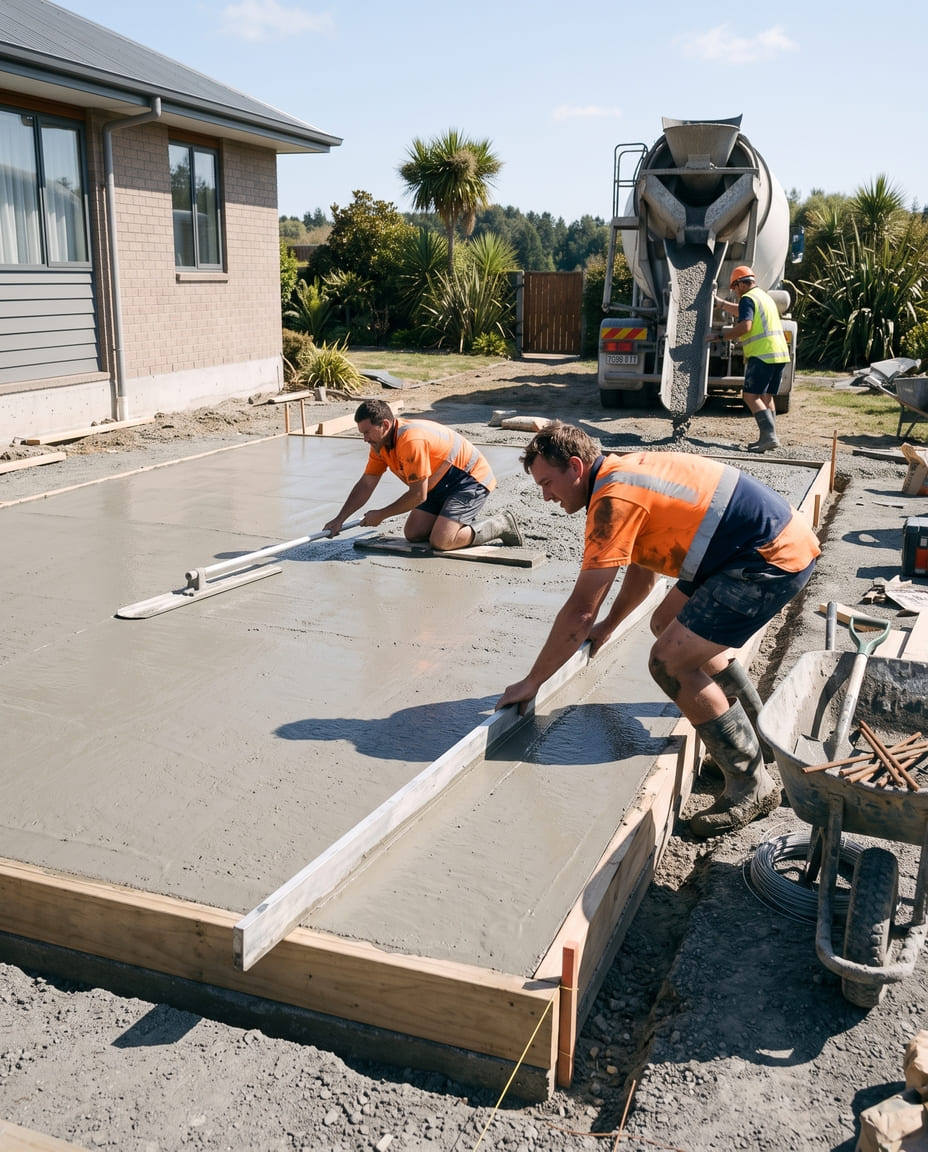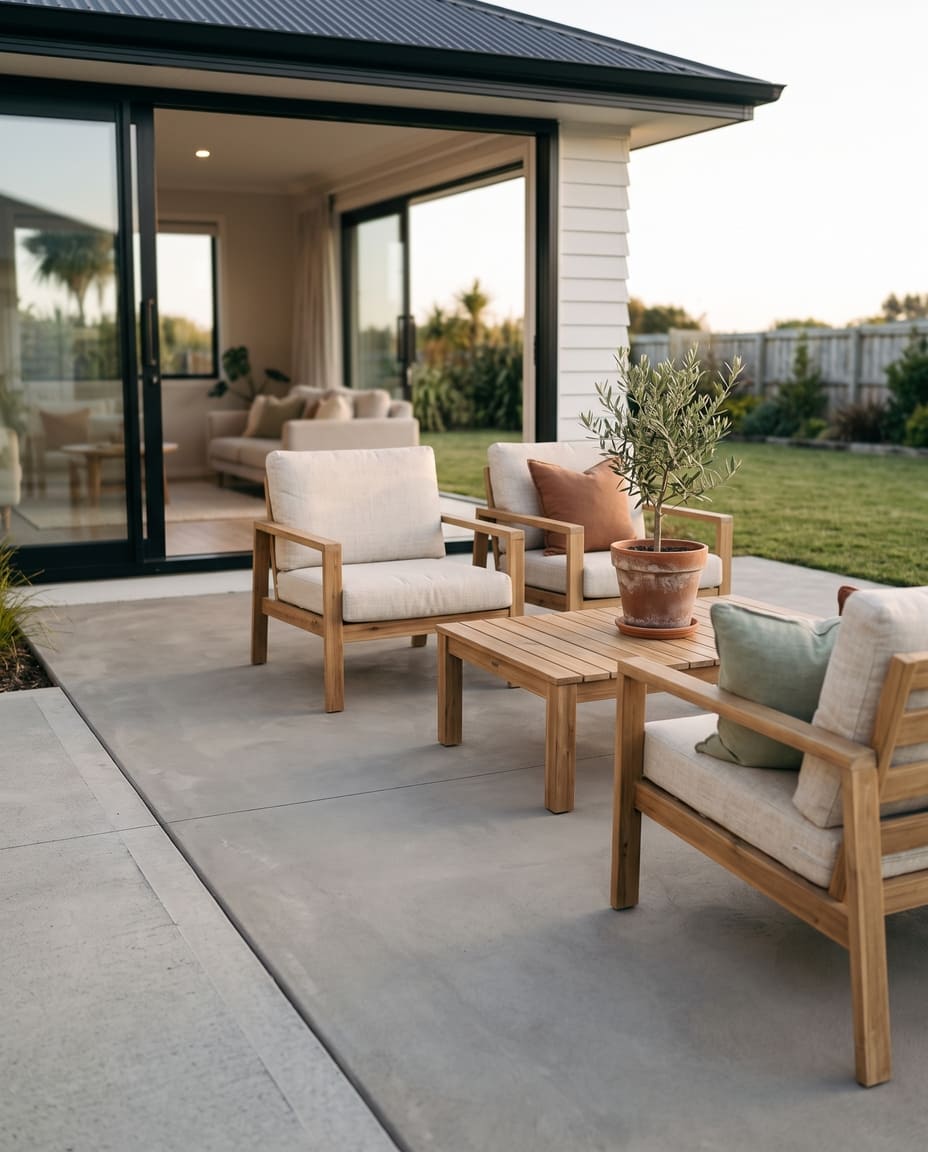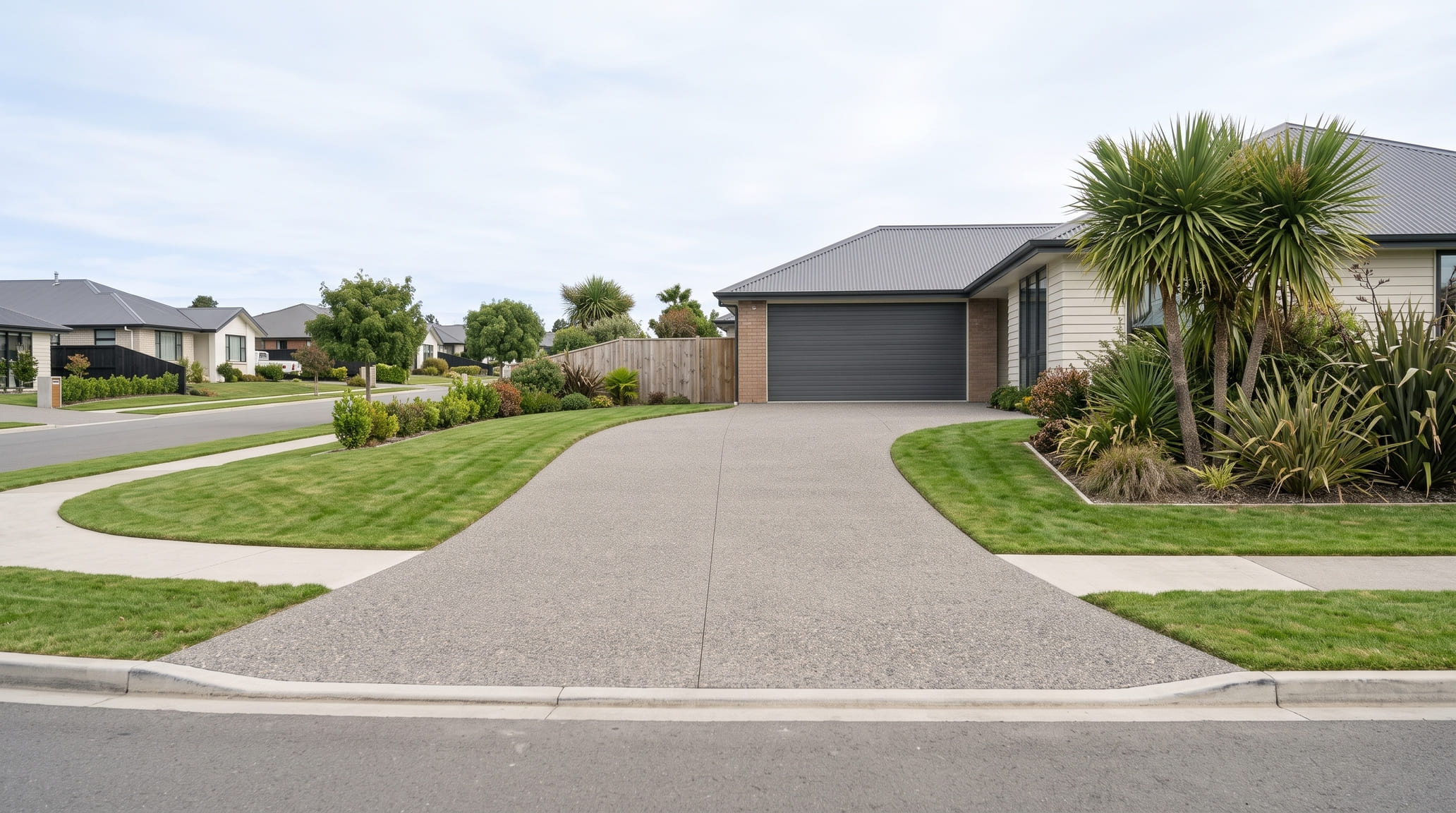
New driveways, full replacements, widening and vehicle crossings. Dug to depth, compacted, reinforced and poured at the right thickness for what you actually park on it.
Four details is all we need. We get back to you the same working day to book a time that suits.
Almost every driveway we get asked to look at failed underneath, not on top. Soft ground that was never compacted, no reinforcing, joints in the wrong place, or concrete poured too thin for a boat trailer that gets backed over it twice a week.
Tauranga throws up a bit of everything. Sandy ground through Papamoa and the Mount, heavier clay out around Pyes Pa and Ohauiti, and plenty of older sections where the topsoil was never stripped properly in the first place. We dig out to firm ground, bring in and compact base course to suit what we find, and only then start boxing.
You will see all of that itemised on your quote, so you can compare us against anyone else on a like for like basis instead of guessing.
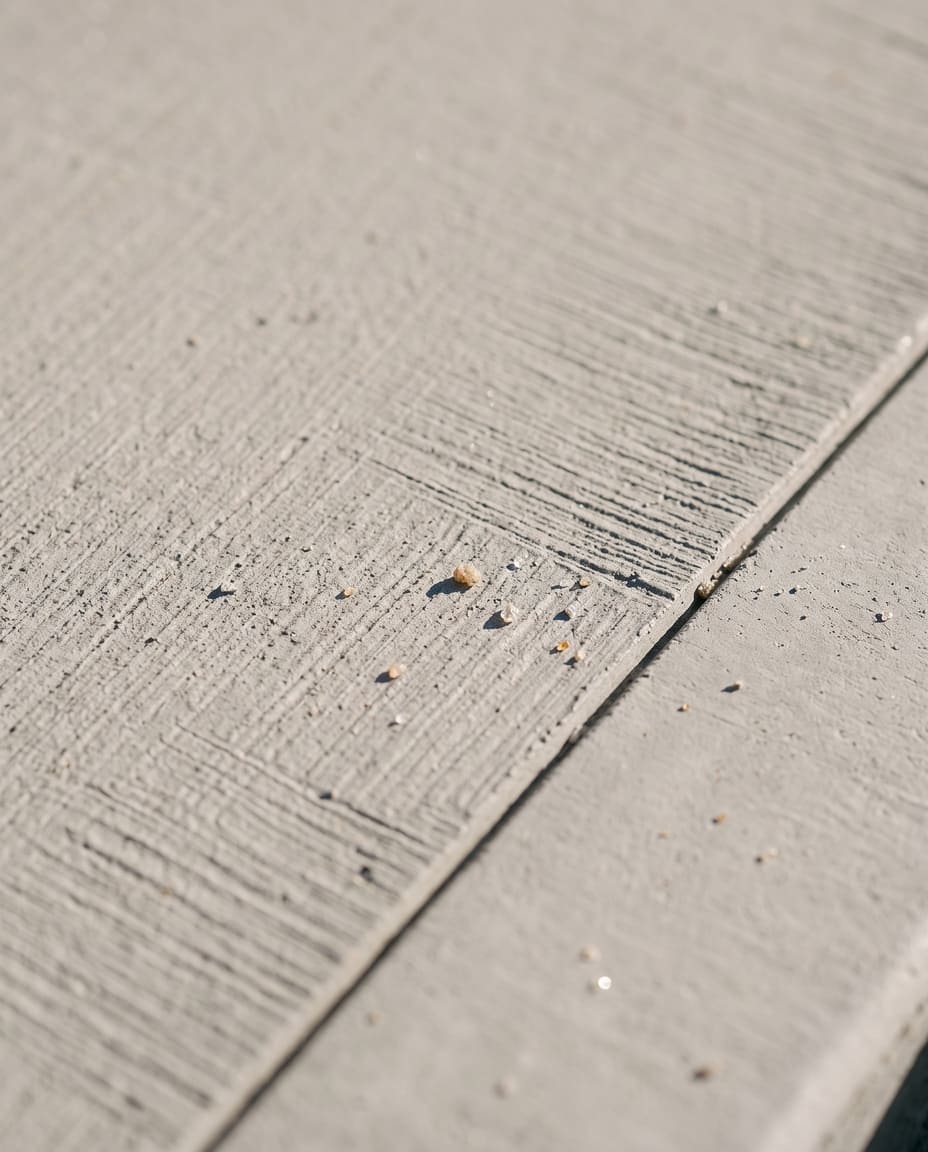
On a driveway the finish also has to grip. Steep entries and anything that gets wet under trees wants texture, not a smooth trowelled surface.

Best value and the most practical on a slope. Light texture across the surface, easy to water blast, shows tyre marks less than a smooth finish.

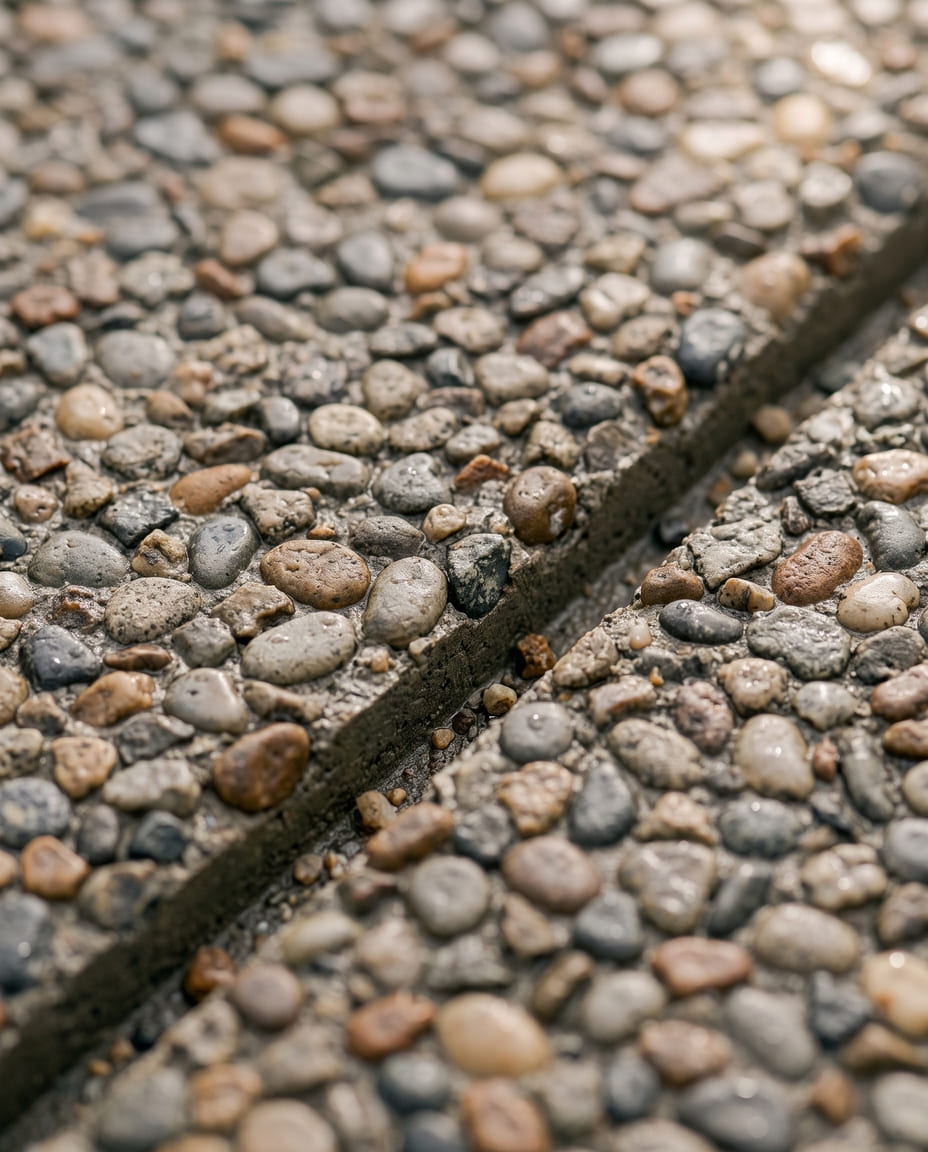
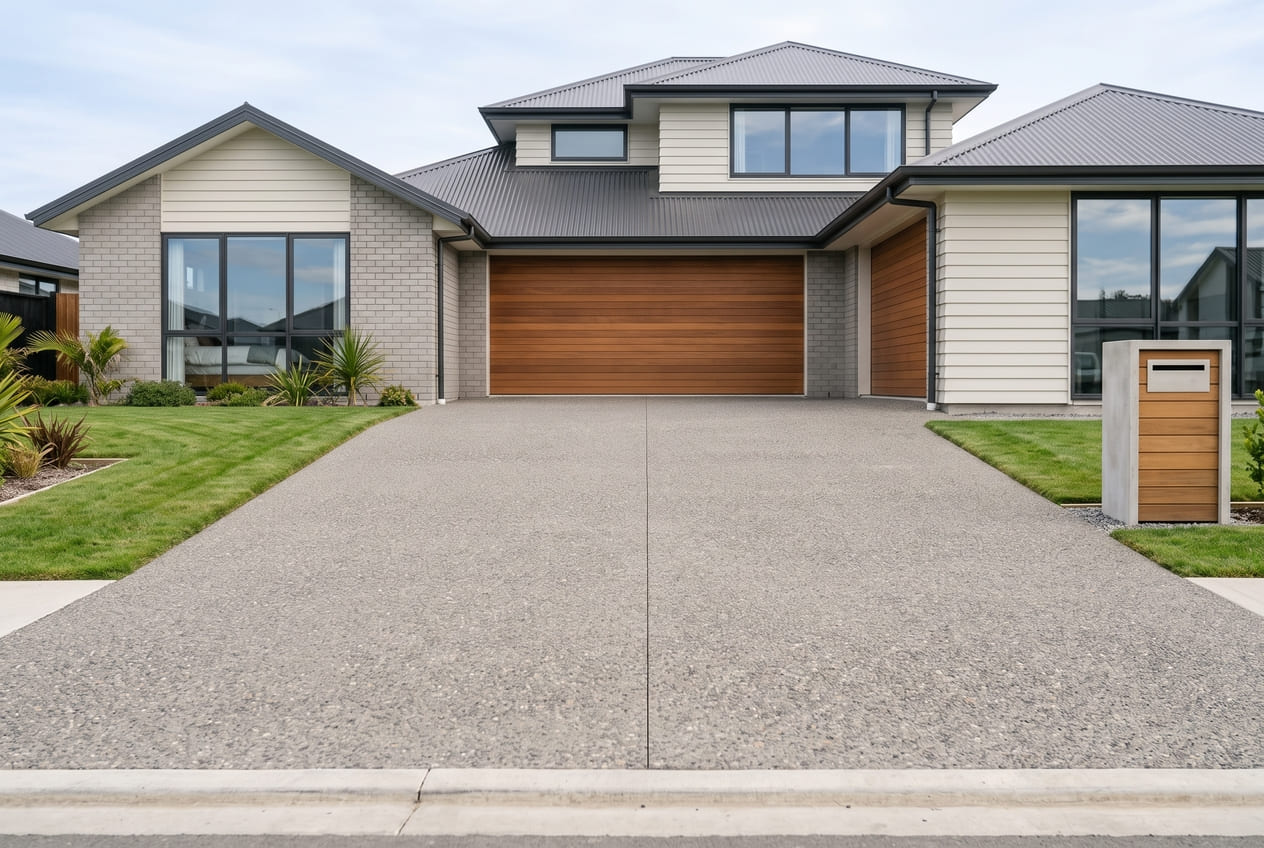
The most popular choice at the front of a house. Stone washed back for grip and to hide oil spots and leaf stains. Several stone blends to pick from.

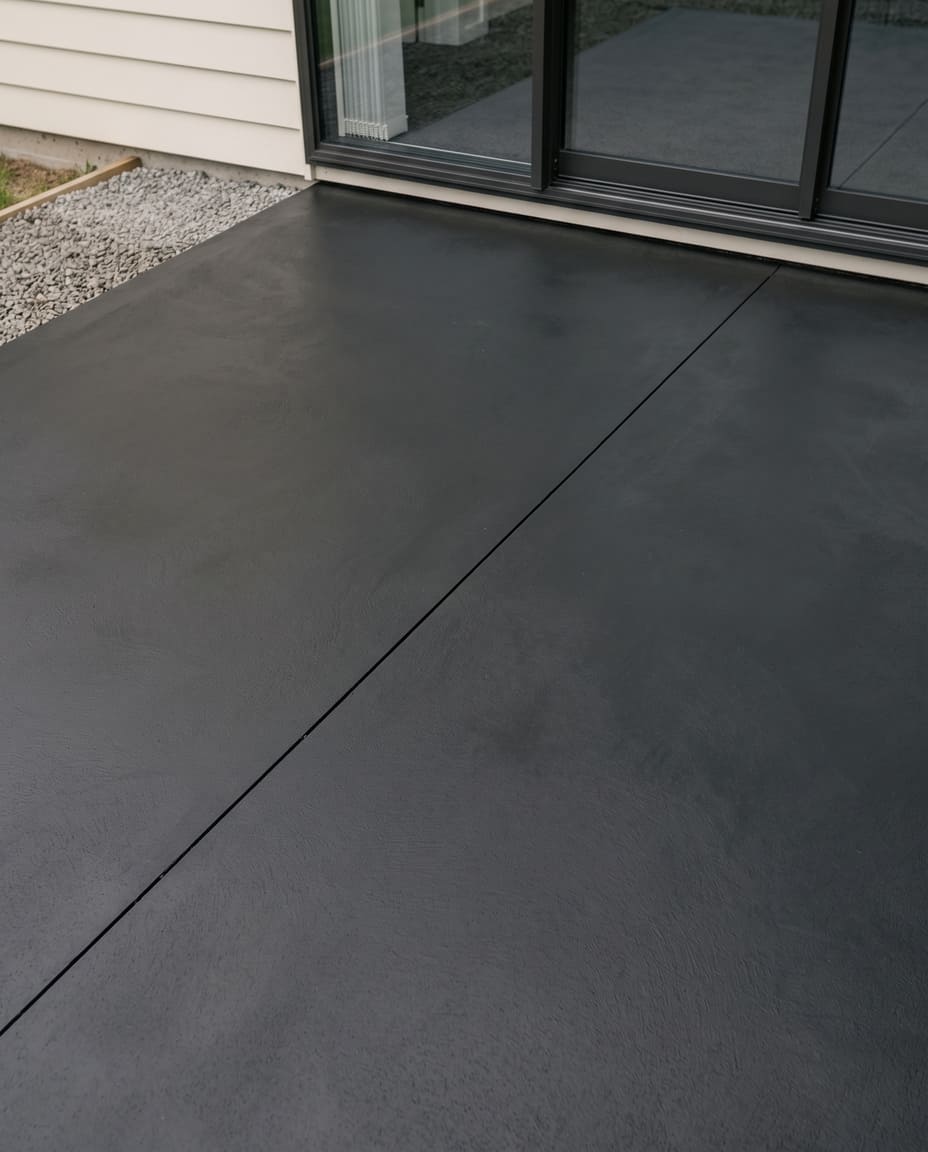
Oxide through the mix, so the colour goes right through rather than sitting on top. Usually paired with a broom or sponge texture on a driveway.
Supplied and laid, GST included, for a standard residential job with reasonable truck access. A single driveway is usually 30 to 45 square metres and a double 55 to 80, so most jobs land somewhere between eight and eighteen thousand dollars all up.
100mm, 665 mesh, saw cut joints
Oxide through the mix, broom or sponge finish
Washed back, sealed on completion
125mm or 150mm with heavier mesh, for boats and trucks
Removing an existing slab, including tip fees
Kerb cut, crossing slab and council application
If one price is thousands under the rest, look for what has been left out.
Indicative pricing only. Subject to change due to many factors (materials, site, access, and more). For an accurate quote, we must come visit your site.
Old slab broken up and loaded out, services located, spoil carted away. You will need to park on the street from here until the pour has cured.
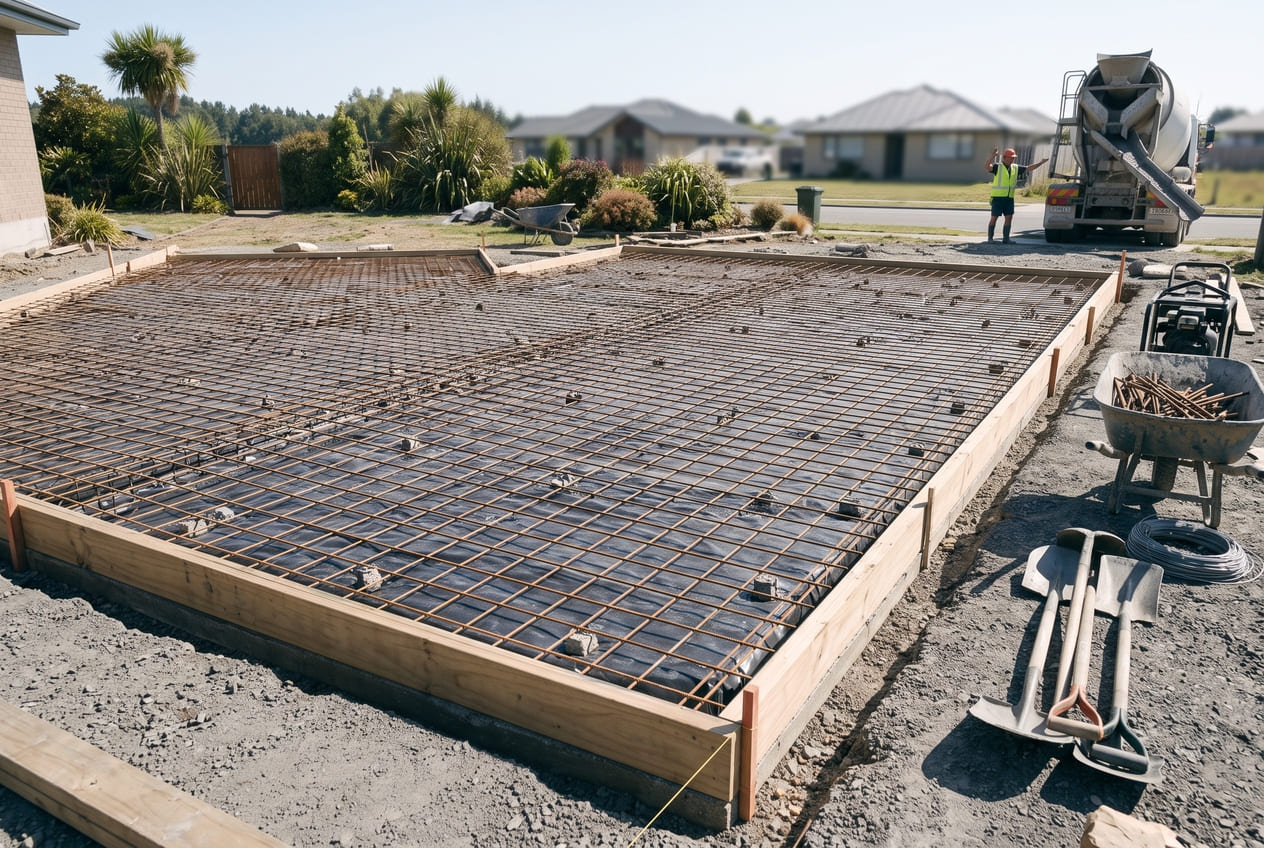
Dug to depth, base course in and compacted, boxing set to the finished levels and falls, mesh laid and tied.
Early start, concrete on site by mid morning, screeded, floated and finished the same day. Boxing comes off once it has gone off.
Control joints saw cut, exposed aggregate washed and sealed, site swept and the footpath left clean. Cars back on after a week.
The strip between your boundary and the kerb is council land. Putting in a new crossing, or making an existing one wider, needs a vehicle crossing approval and has to be built to the council's standard detail, including how the kerb is cut and how the footpath runs through it.
We lodge the application, book the inspections and build to the detail. If your job is inside the boundary only, none of this applies and we will tell you that up front rather than adding a fee for nothing.

A look at driveways, patios, paths and slabs we've poured for homeowners across Tauranga and the Western Bay of Plenty.


If yours is not here, send it through with your quote request and we will answer it straight.
Ask us in the quote form100mm over a compacted base handles cars and light trailers. If a boat, caravan, motorhome or work truck lives on it, we go to 125mm or 150mm with heavier mesh. It is a small extra cost now against a cracked slab later.
Replacing what is already there inside your boundary does not need consent. A new crossing, or widening the existing one where it meets the road, needs a vehicle crossing approval from Tauranga City Council or Western Bay of Plenty District Council. We prepare the application and meet the inspector.
Walk on it after 24 to 48 hours, cars after 7 days, and keep anything heavy off for the full 28 days. We leave you a simple sheet on curing, sealing and what not to do in the first month.
We can get close on colour and finish, but new concrete never matches weathered concrete exactly. Where the match really matters, replacing the whole area or using a deliberate joint and a different finish looks far better than a near miss.
We set the falls so water runs away from the house and garage and out to the kerb, a garden or an existing sump. Where the drive slopes down toward a garage we allow for a channel drain or grated sump into stormwater.
We locate services before we dig and work around water, power and gas. Roots that have already lifted a slab get cut back and the area rebuilt, and where a large tree is staying we talk through a root barrier or a slight change of level so it does not happen again.
Exposed aggregate and coloured concrete are worth sealing, and we seal them as part of the job. Plain and broom finishes do not need it, though a sealer makes oil and leaf stains easier to clean off. Expect to re-coat every few years.
Regularly. On new builds we fit around the builder's programme and the council inspections. On landscaping jobs we agree levels with the landscaper before anything gets poured, so paths, patios and planting all finish flush.
Pouring driveways from Katikati through to Te Puke, and everywhere in between. If your street is not on this list, send the form and ask.
Free on-site measure up, an itemised quote in writing, and a straight answer on what your job will cost.